Sample transport

Insulated packaging for sample transport

Medical specimens, clinical trial samples and material for environmental analysis need transport conditions suited to the specific analysis. THERMOCON helps you select and design insulated packaging. We consider the laboratory’s temperature requirements, transit time and the space required for your complete sample packaging.

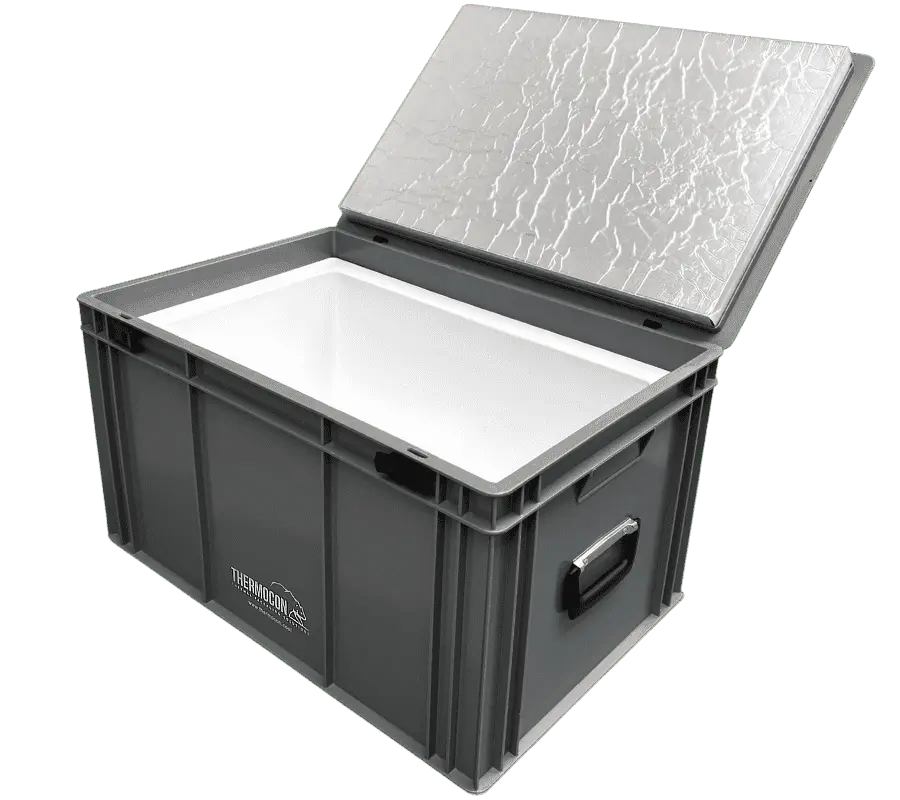
Open THERMOCON Medi Line with an insulated payload compartment
Medi Line as the thermal component for regular collection rounds. The image does not show complete UN3373 packaging.

Temperature & time

The laboratory's temperature requirements

Ask the receiving laboratory for the transport temperature and latest permitted arrival or processing time. These can differ according to the sample and analysis. A blanket requirement of +2 to +8 °C is therefore not appropriate for all laboratory samples.[S1]

We also include the starting temperature, smallest and largest payloads and expected ambient temperatures in the design. Collection rounds additionally involve stops, waiting times and opening the box. The thermal packout is matched to this process and the laboratory’s temperature requirements.[S2][S3]

THERMOCON selection

THERMOCON systems for laboratory rounds and sample shipments

Regular laboratory rounds prioritize handling and reuse, while shipments to different recipients often require a system without returns. The appropriate system line is then selected by temperature range, transit time and internal dimensions. The complete sample packaging must fit within the intended packout.[S2]

Robust reusable box

Medi Line

This robust reusable shipper provides direct access to the payload compartment. The US Medi Line uses an HDPE outer container, VIP insulation and PCM coolants and can be assessed for repeated laboratory routes.

Key selection criteria

The complete sample packaging must fit inside. The temperature configuration, openings and maximum route duration are considered together.

EPS insulation · Shipper component

EPS insulated shippers

EPS insulated shippers can be combined with specified coolants for shipments without returns. Select the internal space and complete packout to match the specimen packaging and temperature requirement.

Key selection criteria

The seasonal packout, payload and required transit time must match the thermal test data.

Design, prototypes, environmental chamber

Thermal engineering

We develop and test thermal packouts for specialist sample racks, container sizes or transport conditions.

Key selection criteria

We need the external dimensions of the sample containers with their protective packaging, the smallest and largest shipments and the laboratory’s temperature and time requirements. We also need the temperature at packing and the planned transport route.

The US pre-qualified systems overview introduces Medi Line and Dry Ice Line. For component-based reagent packaging, compare the EPS shipper and coolant pages and discuss any additional testing required.

UN3373 & specimen categories

UN3373: classification and shipping regulations

The applicable transport regulations depend on an informed classification of the specimen. Factors include its origin, potential pathogens and the condition of the material. The shipper must establish this classification before selecting packaging; describing something as a ‘laboratory sample’ is not sufficient.[S4]

Classification

Category B and UN3373

Category B infectious substances are assigned UN3373. For US transport, assess the Hazardous Materials Regulations, including 49 CFR 173.199. Air shipments must also meet the applicable air requirements; IATA PI650 applies when shipping under the IATA Dangerous Goods Regulations. ADR P650 applies only to transport subject to ADR, not as the default US highway rule.[S4][S5]

Classification

Exempt human or animal specimens

An exception may apply to certain human or animal samples based on their contents, professional assessment and the applicable US classification provisions. Check 49 CFR 173.134 for the specific conditions and assess the selected transport mode. Do not assume that an ADR exemption or an air-shipping label alone establishes a US highway exception.[S4]

Classification

Category A and additional dangerous substances

Category A specimens are subject to different requirements. Preservatives, for example, may trigger additional dangerous goods requirements. These properties must be considered with the responsible specialists and transport partner when selecting the complete shipping packout.[S6][S7]

Packaging functions

Triple packaging and thermal protection

Category B shipments require a primary receptacle, secondary packaging and outer packaging. These protect against leakage of specimen material and damage during transport. Insulation and coolants add the necessary temperature control. Both functions must be coordinated in the complete shipping packaging.[S6][S2]

01

Primary receptacle: holding the specimen

The sample tube or another suitable receptacle contains the material for analysis. For liquid Category B specimens, it must be leakproof. If several fragile receptacles are packed together, they must be separated so that they cannot damage one another.[S6]

02

Secondary packaging: protection against leakage

The secondary packaging encloses the primary receptacles and must also be leakproof for liquid specimens. Absorbent material capable of absorbing the entire liquid contents is placed between the primary receptacles and the secondary packaging.[S6]

03

Outer packaging: protection during handling and transport

The outer packaging protects the inner assembly during handling and transport. The role of an insulated box depends on the demonstrated performance of the complete assembly: it may form part of the outer packaging or be used as an additional overpack.[S7]

Temperature control through insulation, coolants and a matched packout
Schematic illustration of the functions. For shipping, follow the packing instructions and the supporting evidence for the complete packaging assembly.

US DOT requirements and IATA PI650

US highway and air shipping requirements

Transport requirement

US highway transport under 49 CFR 173.199

For Category B shipments under 49 CFR 173.199, the complete package must include a primary receptacle, secondary packaging and a rigid outer packaging. Unlike ADR P650, rigid secondary packaging alone does not satisfy this US outer-packaging requirement. Follow the packaging manufacturer’s filling and closure instructions and the applicable marking requirements.[S7]

Transport requirement

Air transport under PI650

IATA PI650 requires rigid outer packaging. For liquids, limits include a maximum of one liter per primary receptacle and four liters per outer packaging, excluding coolant. Applicable US air transport requirements and state or operator variations must also be checked. A packout used for US highway transport therefore needs an air-shipping assessment before it is offered to an airline.[S8]

The differences listed here are an extract. Shipping must follow the complete requirements for the specific consignment and route.

Frozen shipments

Shipping samples with dry ice

Dry ice turns into carbon dioxide gas during transport. The outer shipping packaging must allow this gas to escape and must not be sealed airtight. Sample receptacles and secondary packaging are still closed according to their packing instructions. Supports keep the sample containers secure even after the dry ice has dissipated. Before use, establish that the sample, containers and packaging are suitable for these low temperatures.[S8][S1]

For US Category B shipments with dry ice, review 49 CFR 173.199(d) and the applicable dry ice provisions. Air transport additionally requires the relevant airline and IATA conditions, including PI954 where applicable, UN1845 marking, the dry ice net quantity and Class 9 labeling. The carrier must be able to accept the planned shipment. ADR 5.5.3 is relevant only to transport within ADR’s scope.[S7][S9][S5]

Shipping planning

Information for selecting your insulated packaging

Selection starts with the requirements of your sample shipment. Existing packing instructions and dimensions help us determine a suitable system size and coolant configuration. You can flag any details still to be confirmed in your inquiry.

  1. Sample material and packaging

    Describe the type of material and its known transport classification. Provide the external dimensions of the complete inner sample packaging.

  2. Temperature and transit time

    Specify the laboratory’s temperature requirement, the starting temperature and planned transit time, including the intended allowance for delays.

  3. Payload

    Provide the number and size of the containers. We need both the smallest and largest planned shipments for the design.

  4. Transport route and handling

    Describe the road or air transport, destination countries and any interim storage. For collection rounds, handovers and box openings are also relevant.

  5. Operational process

    Tell us whether the packaging will be returned and how many shipments you plan. Also explain how the coolants can be conditioned before dispatch.

Questions about sample transport

Sample packaging, classification and temperature control

Must all medical specimens be shipped as UN3373?

No. Classification depends on the material and its potential infection risk. Distinguish Category A, Category B and the exceptions allowed by the applicable US transport rules. This assessment establishes the packaging and shipping requirements for the route.[S4]

Does an insulated box replace the required sample packaging?

An insulated box does not replace leakproof sample receptacles or the required secondary packaging. Whether it can serve as the outer packaging depends on the complete tested assembly. The functions of the three packaging layers are explained above.[S7][S2]

Must samples be transported at +2 to +8 °C?

This range applies only when the laboratory specifies it for the particular sample and analysis. Other materials need different temperatures or transport conditions. Confirm the temperature range and permitted transit time before selecting packaging.[S1]

Can the same packaging be used for road and air transport?

Yes, if the complete packout meets the requirements of both modes. US Category B transport under 49 CFR 173.199 already requires rigid outer packaging; air transport adds mode-specific conditions and quantity limits. Indicate any planned air shipment or combined route when you inquire.[S8]

How is the required box size determined?

We consider the external dimensions of your complete inner sample packaging, together with the space needed for coolants and securing the contents. The key question is whether these components fit in the intended arrangement. The nominal volume of an empty box alone is not sufficient.[S2]

What information do you need about our existing sample packaging?

Tell us the external dimensions of the secondary container or complete sample packaging, the number of receptacles and the laboratory’s temperature and time requirements. This allows us to plan the space needed inside the insulated box and the positions of the coolants.

THERMOCON USA advice

Inquire about insulated packaging for your sample transport

Tell us the laboratory’s temperature requirements, the dimensions of your sample packaging and the intended transport route. We can advise on a suitable system line and establish whether a custom design is needed.

Technical sources & further information

Last reviewed: November 1, 2026. The current product specification and the requirements applicable to the shipment remain authoritative.

  1. CDC – Specimen Storage and Shipping GuidanceLaboratory-specific acceptance and temperature guidance for submissions to CDC; other receiving laboratories define their own requirements.
  2. THERMOCON – Thermal engineeringTechnical information on the stated shipping requirement.
  3. THERMOCON – Medi LineTechnical information on the stated shipping requirement.
  4. 49 CFR 173.134 – Infectious substance definitions and exceptionsUS classification provisions for infectious substances and specified exceptions.
  5. 49 CFR 173.199 – Category B infectious substancesUS Category B packaging requirements, including additional conditions for air transport and dry ice.
  6. PHMSA – Guide to Packaging Category B Diagnostic SamplesUS DOT explanation of the primary receptacle, secondary packaging and rigid outer packaging.
  7. 49 CFR 173.199 – Category B packagingUS highway requirements; rigid outer packaging is required. ADR P650 is not the default US highway rule.
  8. IATA Dangerous Goods Regulations – Packing Instruction 65067th edition, 01.01.2026, pages 586–588
  9. PHMSA – 49 CFR 173.217, solid carbon dioxide (dry ice)US dry ice regulatory reference; apply it with the relevant specimen, air transport and carrier requirements.

THERMOCON

What would you like to find?

Choose the right product category.

Pre-qualified systems

Matched insulation, cooling elements, and packout configurations.

Insulated shippers

Insulated packaging without accessories, suited to your shipping format.

Cooling elements

Gel packs, foam bricks, rigid refrigerant packs, and PCM elements.

Not sure what fits your shipping process?

Talk to our team

THERMOCON

Let’s talk about your shipping needs.

Need product advice or help with a technical question?